What if treating gum disease did not always require conventional gum surgery? For patients who have been told they need advanced periodontal treatment, learning about modern laser technology may offer a reassuring perspective. Although every case of gum disease is different, certain patients may be candidates for a laser-assisted treatment designed to address diseased tissue and bacterial buildup around their teeth.
One option available through advanced periodontal care in Stevensville, MD is LANAP laser therapy. LANAP stands for Laser-Assisted New Attachment Procedure, a specialized treatment protocol that uses laser technology as part of managing periodontal disease. The procedure may offer an alternative to conventional periodontal surgery for appropriately selected patients.
At Big City Dental, serving Stevensville and the surrounding Eastern Shore communities, helping patients understand available treatment options is an important part of supporting long-term gum health. If you are exploring LANAP laser gum treatment in Stevensville, MD, understanding its purpose, potential advantages, and recovery process can help you prepare for a meaningful discussion with your periodontal provider.
Understanding Gum Disease and Why Treatment Matters
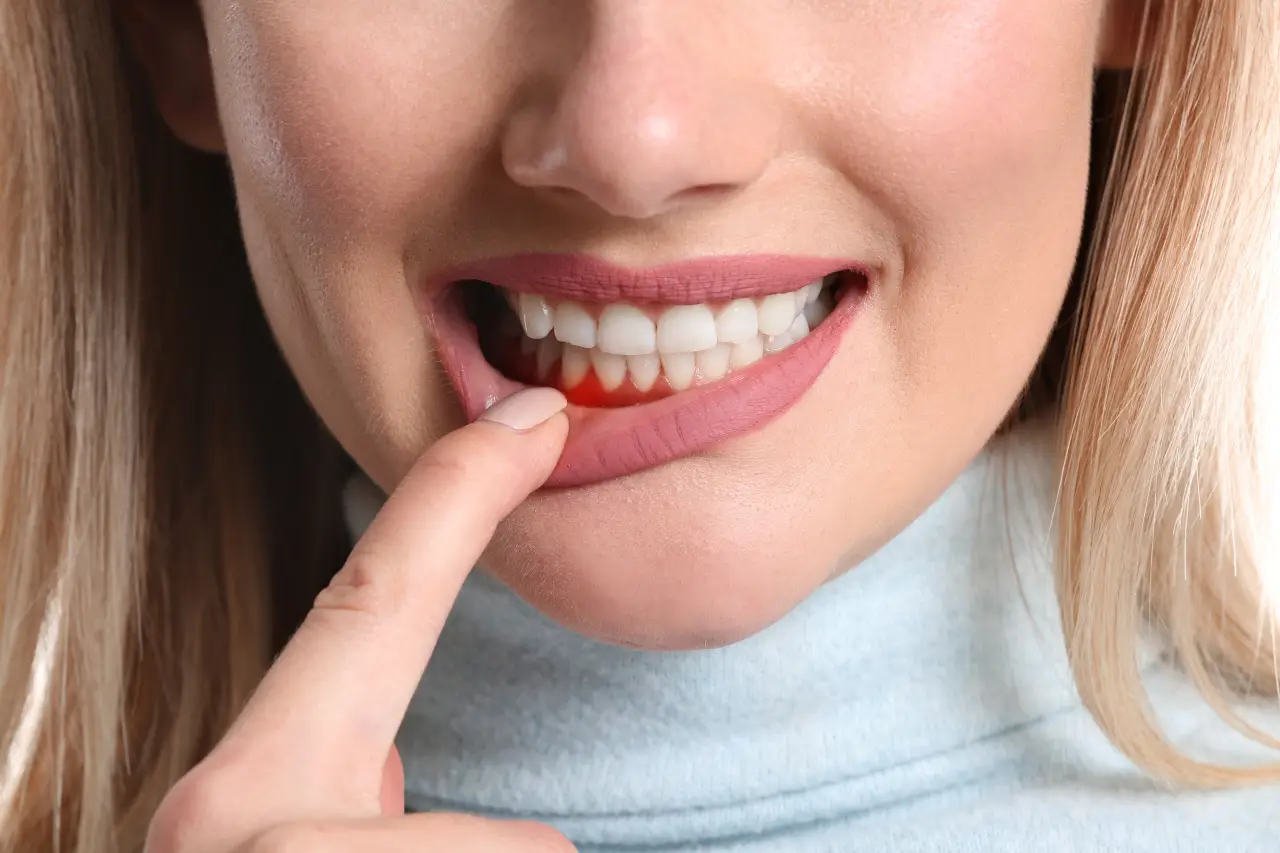
Gum disease develops when bacterial plaque accumulates around the teeth and triggers inflammation in the surrounding tissues. In its earliest stage, known as gingivitis, the gums may become red, swollen, or more likely to bleed when brushing or flossing.
Fortunately, gingivitis can often be reversed with improved plaque control and appropriate professional treatment. However, when inflammation progresses into periodontitis, the supporting gum tissue and jawbone can begin to deteriorate.
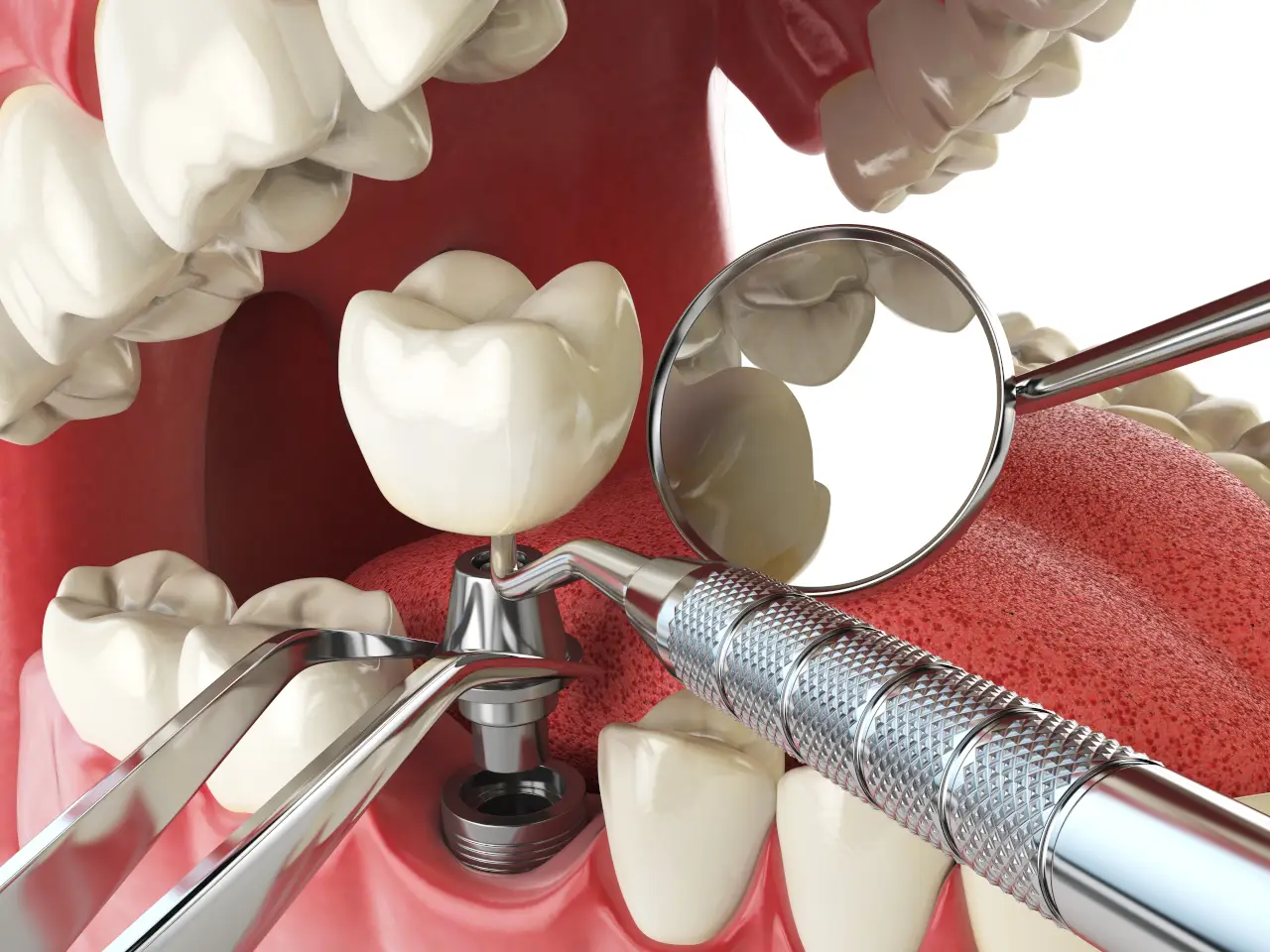
As the disease advances, spaces known as periodontal pockets may form between the teeth and gums. These pockets allow bacteria and hardened deposits to accumulate below the gumline, where ordinary brushing and flossing cannot reach.
Common warning signs include:
- Bleeding during brushing or flossing.
- Persistent bad breath or an unpleasant taste.
- Swollen, tender, or inflamed gums.
- Gum recession or teeth that appear longer.
- Changes in the way teeth fit together.
- Loose teeth or discomfort while chewing.
- Deep periodontal pockets identified during a dental examination.
Importantly, advanced gum disease may develop without significant pain. Therefore, routine dental evaluations and periodontal measurements are valuable even when the gums feel normal.
What Is LANAP Laser Gum Treatment?
LANAP is a specific periodontal treatment protocol performed with a specialized dental laser. It is designed to help clinicians manage diseased periodontal pockets while preserving healthy tissue where possible.
The procedure uses a carefully controlled laser fiber that can be inserted into the periodontal pocket. During treatment, the laser is used as part of a sequence that addresses inflamed tissue and bacterial contamination.
Traditional instruments are also used to remove hardened deposits from the root surfaces. The laser may then be used again to support clot formation and wound stabilization according to the treatment protocol.
Because LANAP does not typically require the same flap reflection and suturing approach used in some conventional periodontal surgeries, certain patients may experience a different recovery process.
However, LANAP is not simply a general term for any laser used on the gums. It refers to a defined procedure requiring appropriate equipment, clinical training, and patient selection.
Who May Be a Candidate for LANAP?
LANAP laser gum treatment may be considered for some patients with moderate to advanced periodontal disease. However, a comprehensive examination is necessary before determining whether the procedure is suitable.
During an evaluation, a periodontal provider considers pocket depth, inflammation, bone support, tooth mobility, and the condition of the surrounding tissues.
Dental imaging and a review of the patient’s health history may also play an important role in planning treatment. Certain medical conditions, medications, and lifestyle factors can influence the healing process.
Patients who may benefit from discussing LANAP include those with persistent deep periodontal pockets, recurring gum inflammation, or periodontal disease that has not responded adequately to initial nonsurgical therapy.
Nevertheless, LANAP is not automatically the preferred treatment for every periodontal condition. Some patients may respond well to scaling and root planing, while others may require conventional surgery or a combination of approaches.
Your periodontist should explain the available alternatives and recommend treatment based on the specific condition of your gums and supporting bone.
How Does the LANAP Procedure Work?
Before LANAP treatment, the dental team performs a detailed assessment to understand the distribution and severity of periodontal disease. This assessment helps determine which areas require treatment.
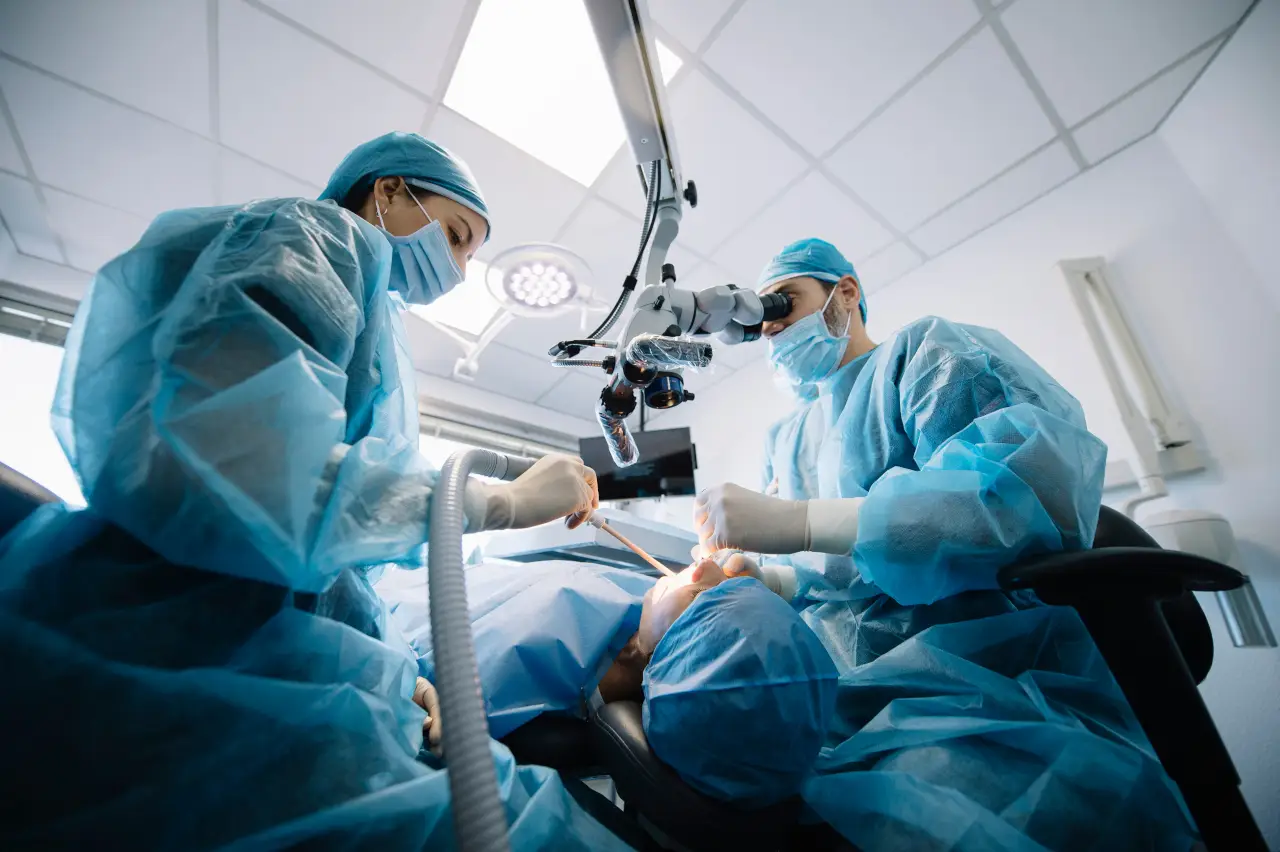
During the procedure, local anesthesia is typically used to numb the gums and surrounding tissues. The clinician then introduces the laser fiber into the affected periodontal pockets, following the prescribed LANAP protocol.
After the initial laser application, specialized instruments help remove plaque, tartar, and deposits from the root surfaces. This cleaning stage is important because hardened bacterial buildup cannot be eliminated through laser treatment alone.
The laser is subsequently used as part of the tissue-management and clot-stabilization process. The clinician may also assess bite relationships and recommend adjustments when excessive forces are contributing to tooth mobility or periodontal concerns.
Depending on the number of areas involved, treatment may be completed over more than one appointment. Your provider will explain the expected schedule before treatment begins.
Although LANAP may be less invasive than certain conventional techniques, it remains a professional periodontal procedure requiring careful postoperative management.
Benefits of LANAP Laser Gum Treatment
For suitable patients, LANAP offers several potential advantages in the management of periodontal disease. The degree of improvement varies depending on disease severity, oral hygiene, and individual healing.
- Targeted treatment: The laser allows clinicians to work within periodontal pockets while managing diseased tissue.
- Potentially less postoperative discomfort: Some patients may experience less swelling or tenderness compared with certain conventional surgical techniques.
- Reduced need for conventional surgical incisions: The LANAP protocol generally avoids the extensive gum incisions associated with some traditional periodontal procedures.
- Support for periodontal pocket reduction: Successful therapy can help improve pocket measurements and make affected areas easier to maintain.
- Preservation of healthy tissue: The treatment approach emphasizes managing diseased areas while conserving tissue where clinically possible.
- Potential for improved tissue attachment: Healing may produce improved periodontal attachment under appropriate conditions, although regeneration cannot be guaranteed.
- Individualized treatment planning: LANAP can be considered as part of a broader periodontal strategy tailored to the patient’s needs.
It is important to recognize that clinical evidence does not establish LANAP as superior to every conventional periodontal treatment in every situation. Consequently, treatment recommendations should focus on demonstrated needs rather than technology alone.
LANAP Versus Traditional Gum Surgery
Traditional periodontal surgery is often used when deep pockets and bone irregularities require direct access for cleaning or reshaping. In some procedures, the clinician carefully lifts the gum tissue to reach the affected root and bone surfaces.
After treatment, the gums are repositioned and secured while healing begins. This approach can provide excellent access to difficult areas and remains an important option for managing advanced periodontal disease.
LANAP uses a different technique. Instead of routinely lifting large sections of gum tissue, the clinician works within periodontal pockets using the laser and other specialized instruments.
However, neither technique is universally better. Conventional surgery may be more appropriate when specific anatomical problems, severe bone defects, or other conditions require direct surgical access.
Similarly, some patients may not need surgery at all. Scaling and root planing, improved home care, and periodontal maintenance can be sufficient for certain cases.
The most useful comparison is not simply which procedure sounds more modern. Rather, it is which approach offers the most appropriate balance of disease control, tissue preservation, comfort, and long-term stability for your situation.
What to Expect During Recovery After LANAP
Recovery after LANAP varies by patient and the extent of treatment. Some people experience mild soreness, sensitivity, swelling, or temporary changes in the appearance of their gums during the initial healing period.
Your provider may recommend a soft-food diet for a specified period and give instructions for cleaning your mouth without disturbing the treated areas. In addition, you may receive recommendations regarding antimicrobial rinses or medications when clinically appropriate.
During the first several days, following your aftercare instructions is especially important. Healing tissues can be delicate, and excessive pressure or aggressive cleaning may interfere with recovery.
Patients should also avoid tobacco use because it can impair tissue healing and increase the risk of periodontal complications.
As healing progresses, follow-up appointments allow your provider to evaluate inflammation, tissue response, and periodontal stability. Although the gums may begin feeling better relatively quickly, deeper tissue healing and reassessment take additional time.
If you experience significant bleeding, severe pain, unusual swelling, or other concerning symptoms, contact your periodontal provider promptly.
Why Periodontal Maintenance Is Essential After LANAP
LANAP can address existing periodontal problems, but it does not permanently eliminate the possibility of gum disease returning. Bacterial plaque continues to develop naturally, which means daily oral hygiene remains essential.
Following active treatment, many patients require periodontal maintenance visits at intervals selected according to their disease history and current risk factors. These visits differ from routine preventive cleanings because they focus on monitoring and managing previously affected periodontal tissues.
During maintenance appointments, your provider may check pocket depths, bleeding, tooth stability, and the condition of the gums. Areas of persistent inflammation can then be addressed before they become more serious.
Between visits, gentle brushing, appropriate interdental cleaning, and consistent follow-through with professional recommendations help support long-term stability.
Patients managing diabetes or other health conditions should also discuss how those conditions may influence periodontal health. Coordinated health management can be a valuable part of ongoing care.
Frequently Asked Questions About LANAP Laser Gum Treatment
Is LANAP laser gum treatment painful?
Local anesthesia helps keep patients comfortable during the procedure. Some soreness afterward is possible, but experiences vary according to disease severity, treatment extent, and individual sensitivity.
Can LANAP regrow lost gum tissue and bone?
LANAP may support improved periodontal attachment and healing in some cases. However, complete regeneration of lost gum and bone structures cannot be promised, and outcomes depend on individual clinical conditions.
How long does LANAP treatment take?
Appointment length and the number of visits depend on how many areas require treatment and the severity of periodontal disease. Your provider can explain the anticipated schedule after examining your gums.
Is LANAP covered by dental insurance?
Insurance coverage varies according to the policy, diagnosis, procedure coding, and benefits available. Patients should request a treatment estimate and review their coverage before proceeding.
Can gum disease return after LANAP?
Yes. Periodontal disease can recur if bacterial plaque and other risk factors are not adequately controlled. Consistent home care and periodontal maintenance remain essential after treatment.
Take Control of Your Gum Health in Stevensville, MD
Gum disease can develop gradually, but patients have several options for managing it. Learning about LANAP laser gum treatment can help you understand how modern periodontal technology may fit into an individualized care plan.
The most important goal is not simply choosing a particular procedure. Instead, it is identifying the treatment approach that best addresses your periodontal condition while protecting your natural teeth and supporting tissues.
If you would like to learn more about LANAP laser gum treatment in Stevensville, MD, Big City Dental welcomes your questions. Call Us Today at 410-604-9555 to schedule a periodontal consultation at 214 Pier 1 Rd #140, Stevensville, MD 21666.